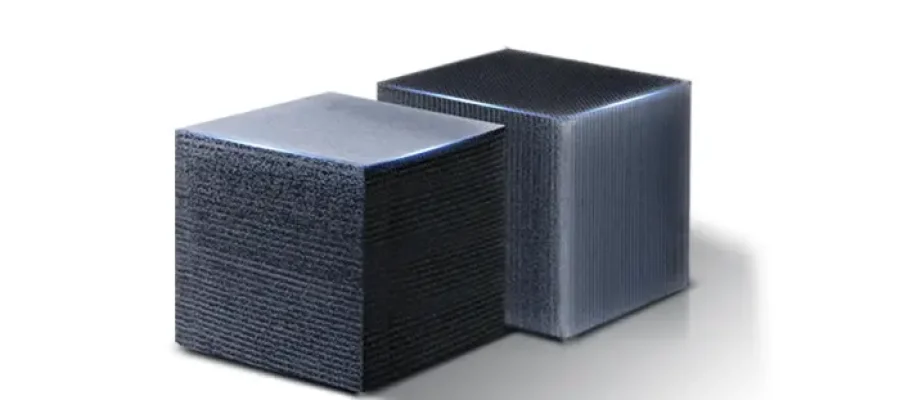
honeycomb activated carbon85

World’s First: HANYAN CTC≥85% Honeycomb Activated Carbon

LinkedIn
Facebook
WhatsApp

Guangdong Hanyan Activated Carbon Technology Co., Ltd. proudly announces the global release of a groundbreaking product — CTC ≥85% Honeycomb Activated Carbon, setting a new industry standard in VOC adsorption efficiency and regeneration performance.

Live Demo: See the Breakthrough in Action

Watch the official launch video and witness our innovation:

Why This Matters: A New Industry Benchmark

After over 3,000 lab experiments, HANYAN engineers successfully pushed the carbon tetrachloride (CTC) adsorption rate to an outstanding ≥85%, breaking international technical barriers and reaffirming China’s leadership in activated carbon innovation.
honeycombactivatedcarbon85 gif

Key Features of CTC ≥85% Honeycomb Activated Carbon

1. High VOC Adsorption Efficiency

Helps achieve compliance with stringent emission standards by effectively capturing volatile organic compounds (VOCs), reducing environmental risks.

2. Enhanced Regeneration Performance

Lower energy consumption during desorption and slower performance degradation across cycles make it ideal for industrial systems requiring multiple regenerations.

3. Extended Service Life

Minimizes replacement frequency and maintenance costs, enabling more sustainable and cost-effective operations.
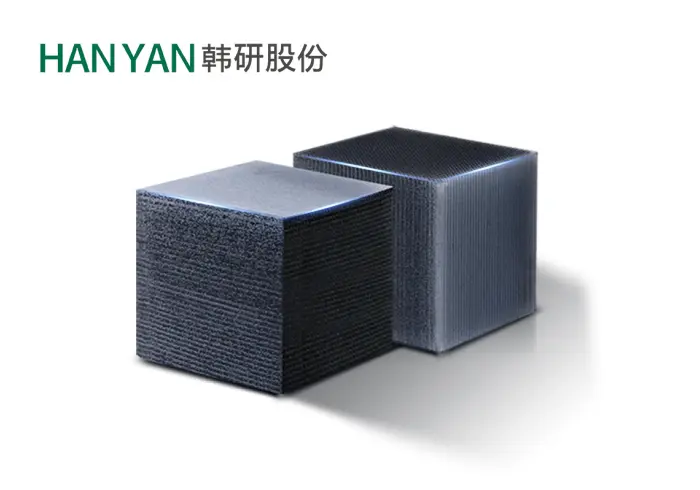
honeycomb activated carbon85

Application Areas

  • Industrial VOC treatment systems
  • Chemical and pharmaceutical manufacturing
  • Waste gas adsorption and deodorization
  • Regenerative air filtration systems

About HANYAN

Guangdong Hanyan Activated Carbon Technology Co., Ltd. (HANYAN) is a national-level “Little Giant” enterprise with 8 wholly-owned subsidiaries and 2 branch offices. Recognized as a Guangdong Manufacturing Champion, HANYAN leads the R&D and production of high-performance activated carbon materials.

We are a key contributor to China’s carbon material standards and environmental strategy. Guided by the vision of “Returning air, water, and soil to nature,” HANYAN continues to advance global green development and sustainable innovation. Contact Our Engineers for Solutions
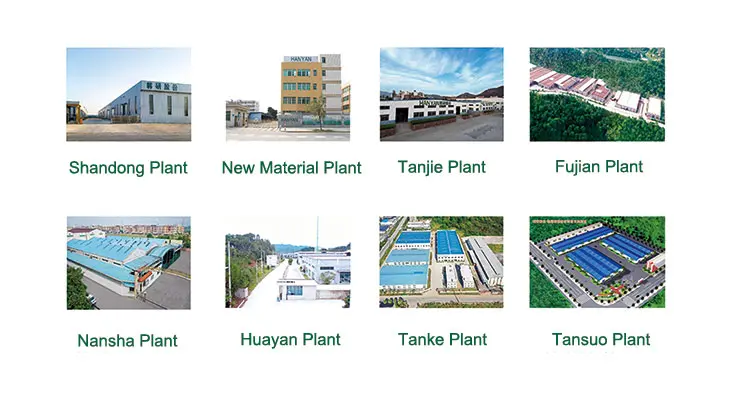
HANYAN-Factory

Contact Us

Want to learn more about CTC ≥85% honeycomb activated carbon? Reach out to our technical team for customized recommendations and product quotes.

Email: enquiry@hanyancarbon.com

Phone: +86-188-24157395
More to explorer

from-granular-to-honeycomb-activated-carbon

Emerging Trends in Gas-Phase Filtration: From Granular to Honeycomb Activated Carbon

Gas-phase filtration is evolving from traditional granular activated carbon beds toward more structured and efficient media designs. Honeycomb activated carbon is gaining attention in VOC removal and industrial air purification because of its low pressure drop, straight airflow channels, and compact modular structure. While granular activated carbon remains widely used, honeycomb activated carbon provides new advantages for large-air-volume and energy-conscious purification systems.

ceramic-vs-activated-carbon-honeycomb

Comparing Ceramic and Activated Carbon Honeycombs in Air Purification

Ceramic honeycombs and activated carbon honeycombs both have honeycomb structures, but they serve different purposes in air purification. Ceramic honeycombs are mainly used as catalyst carriers or high-temperature substrates, while activated carbon honeycombs are more directly applied in VOC adsorption, odor control, and gas-phase filtration. For many current industrial air purification projects, activated carbon honeycomb offers broader adaptability under normal-temperature and low-to-medium concentration conditions.

How Humidity and Temperature Affect Honeycomb Activated Carbon in VOC Treatment

How Humidity and Temperature Affect Honeycomb Activated Carbon in VOC Treatment

In industrial VOC treatment, the performance of honeycomb activated carbon is influenced not only by the carbon itself, but also by operating conditions such as humidity and temperature. High moisture can compete for adsorption sites, while elevated temperature can reduce equilibrium adsorption capacity and shorten effective service life. This article explains why environmental conditions matter and how operators can evaluate honeycomb activated carbon more realistically under actual system conditions.

small_c_popup.png

Let's have a chat

Learn how we can help you for your need!