

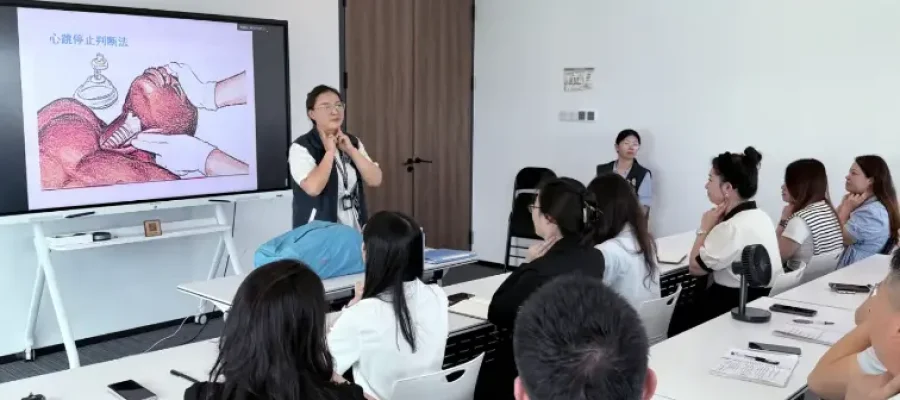
At HANYAN, we believe that a safe and healthy working environment is fundamental to long-term success. On July 7, 2025, our headquarters hosted a specialized training session focused on CPR (Cardiopulmonary Resuscitation) and occupational health awareness, reinforcing our commitment to employee well-being and corporate responsibility.
Practical CPR Training: Learning Life-Saving Skills
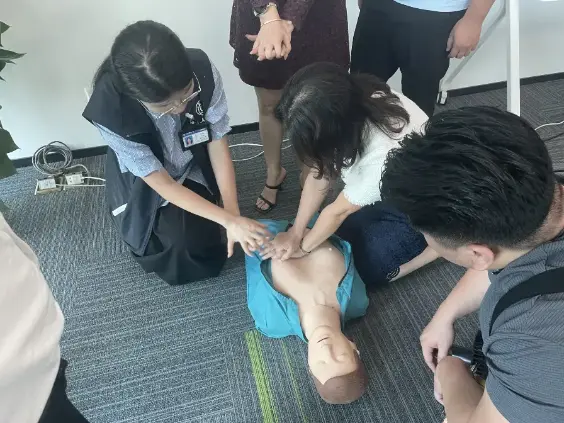
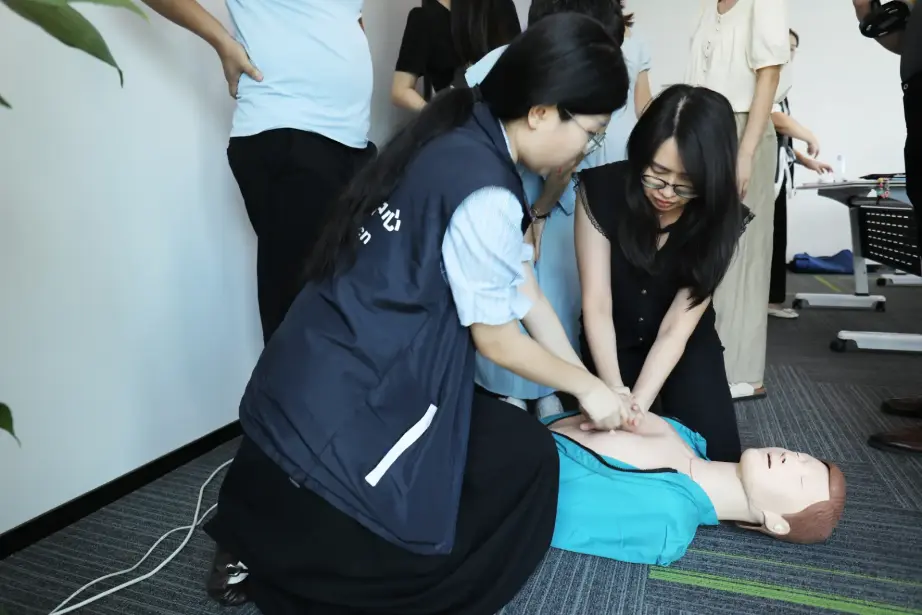
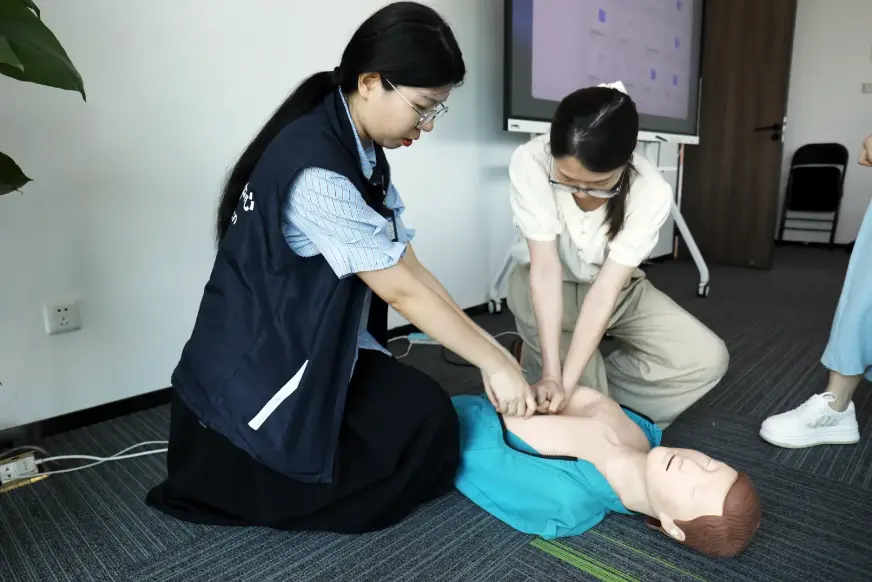
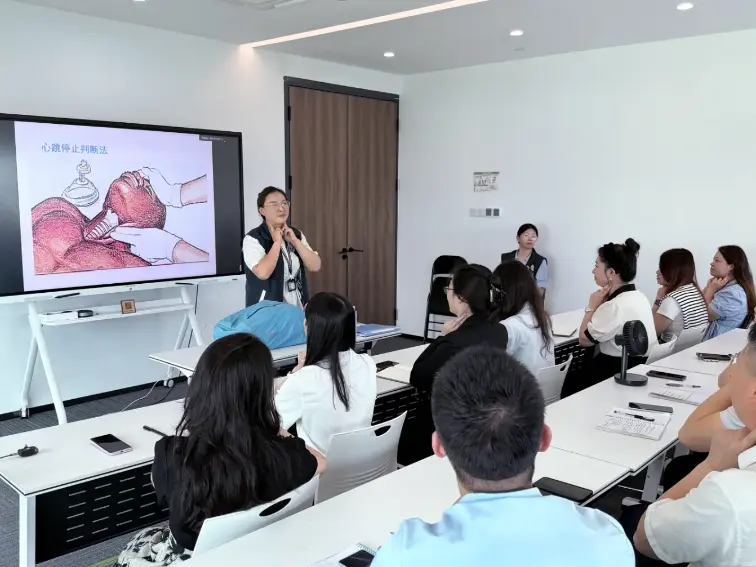
The session began with hands-on CPR training conducted by certified instructors. Participants learned how to recognize emergency situations, perform chest compressions, and apply basic life-saving techniques in case of sudden cardiac arrest.
While we hope these skills never need to be used, we know that timely and correct action in critical moments can make all the difference.
By equipping our team with CPR knowledge and practical experience, we’re ensuring that HANYAN employees are not only aware of first-aid basics but also feel confident to act when necessary.
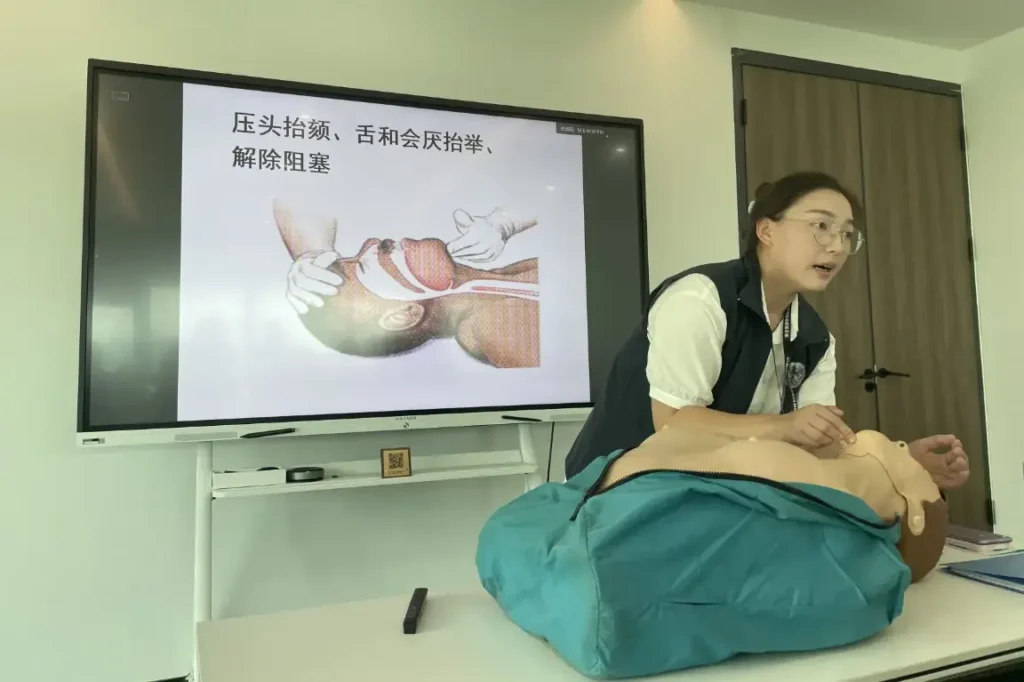
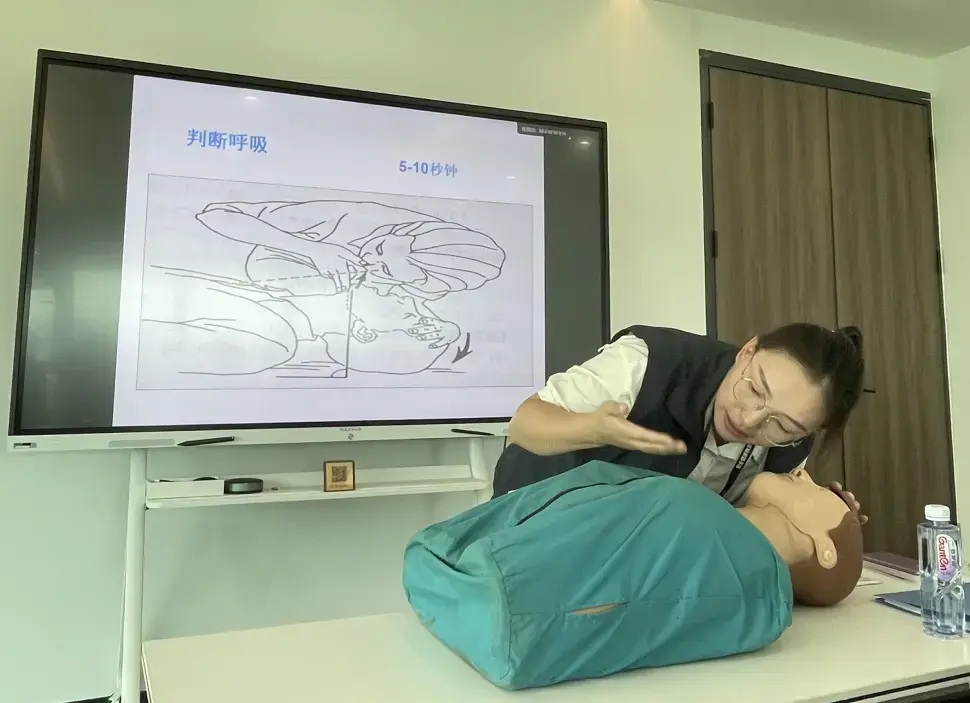
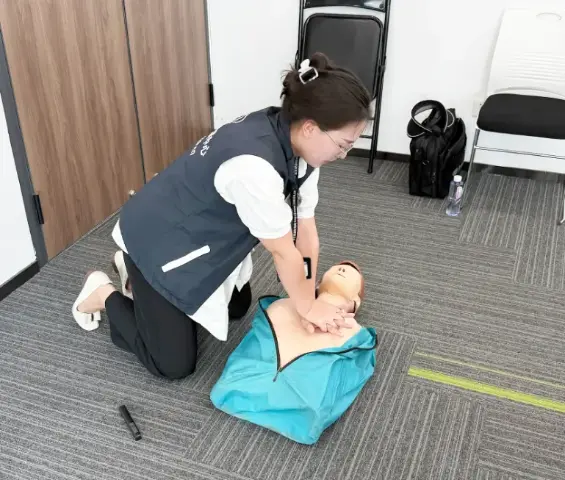
Occupational Health: Prevention Starts with Awareness
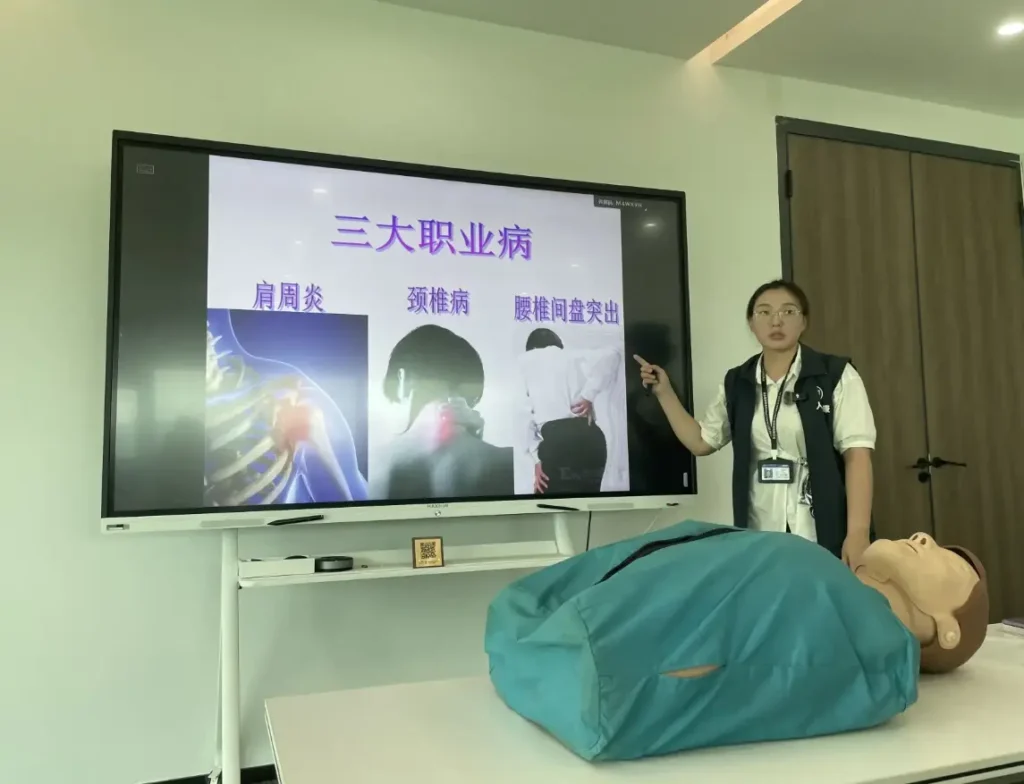
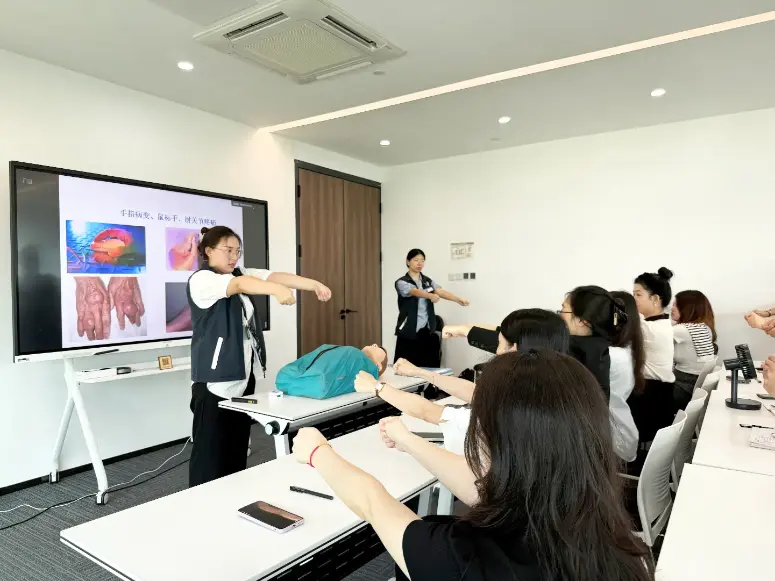
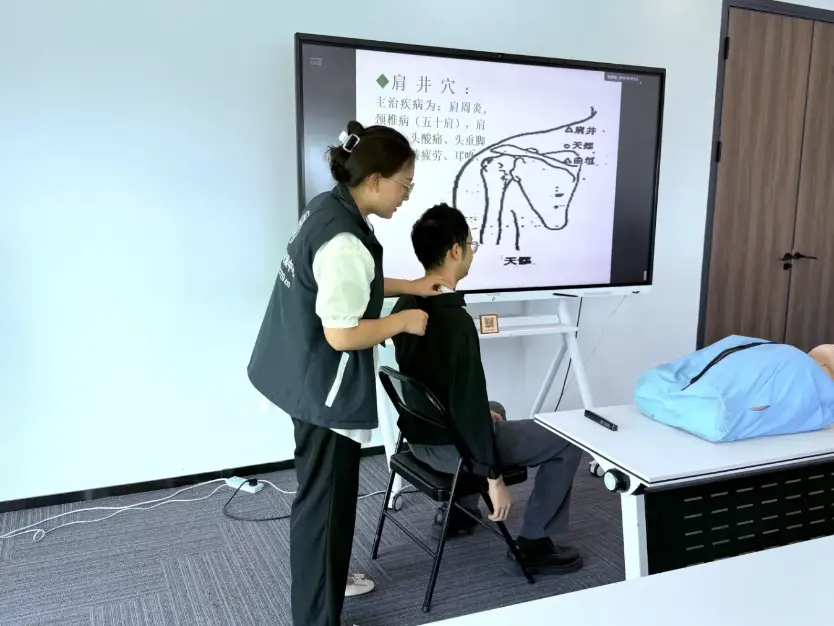
In the second half of the training, employees joined a seminar on occupational disease prevention and health awareness. The session covered common workplace-related risks such as poor posture, repetitive strain, and mental fatigue — all relevant to office environments and personal work habits.
Through real-world examples and clear guidance, our team was reminded that prevention is key, and personal health is a shared responsibility.
Building a Culture of Health and Responsibility
At HANYAN, we don’t see safety training as a one-time activity, but as an ongoing part of our workplace culture. We aim to build an environment where employees feel cared for, informed, and prepared — both physically and mentally.
From activated carbon filtration systems that promote cleaner air to team-level safety preparedness, we continue to invest in health at every level.


Conclusion
This training is just one part of our broader effort to build a proactive and informed safety culture at HANYAN. We’re proud to see our employees engage with such enthusiasm and responsibility — because workplace safety starts with people.
Article Keywords: CPR training at workplace, occupational health awareness, employee safety programs, workplace CPR course, corporate health and safety training, industrial hygiene and prevention, HANYAN safety culture