
How to Improve Filter Lifespan Using Impregnated Honeycomb Carbon

Impregnated honeycomb carbon filters offer superior performance for targeted gas removal. Learn how different impregnation types boost filter lifespan and how to choose the best solution for your application.
Custom Honeycomb Activated Carbon Filters for OEM Projects
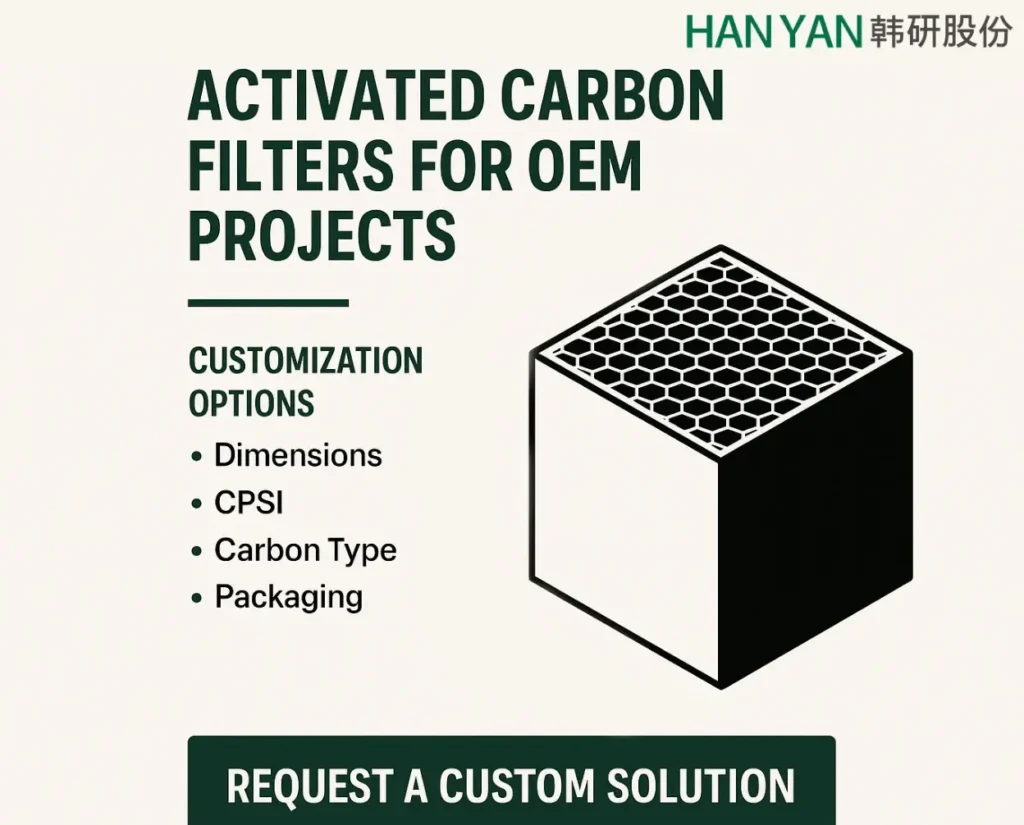
OEM customers across industries are increasingly turning to honeycomb activated carbon filters for reliable VOC control, odor removal, and air purification. This article explains how HANYAN helps customize honeycomb carbon filters to meet project-specific performance, design, and regulatory needs – from size and cell density to activation process and packaging.
How to Choose the Right CPSI for Honeycomb Activated Carbon
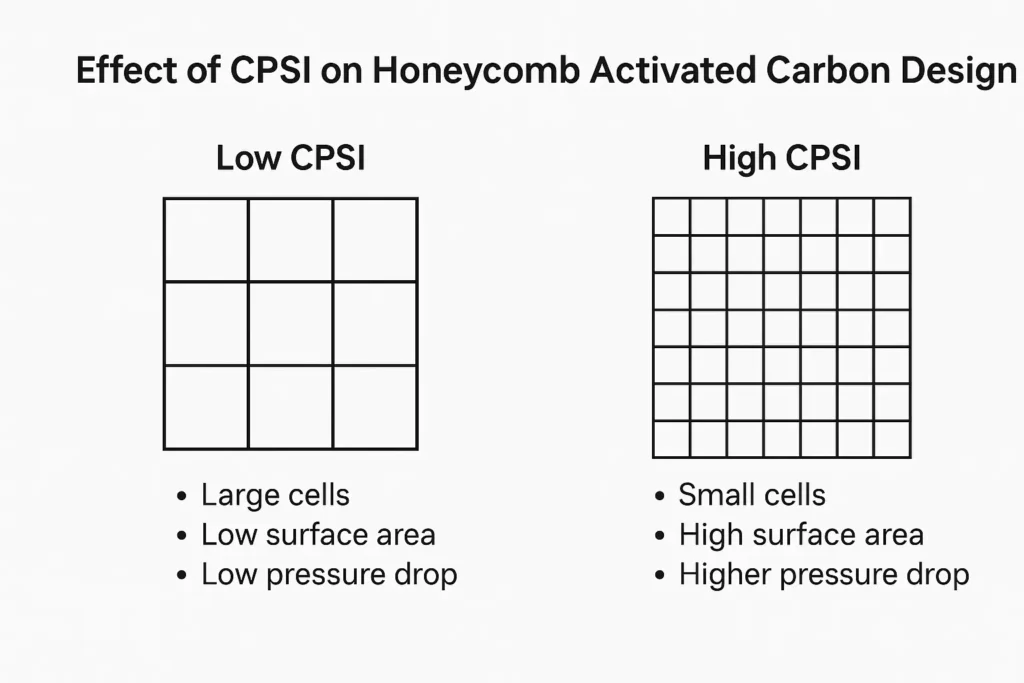
CPSI (Cells Per Square Inch) is a critical design factor for honeycomb activated carbon filters. This article explores how CPSI impacts airflow resistance, adsorption efficiency, and mechanical strength, and provides practical guidelines for selecting the optimal structure for different applications.
What Type of Activated Carbon Is Used in Commercial Filter Media?
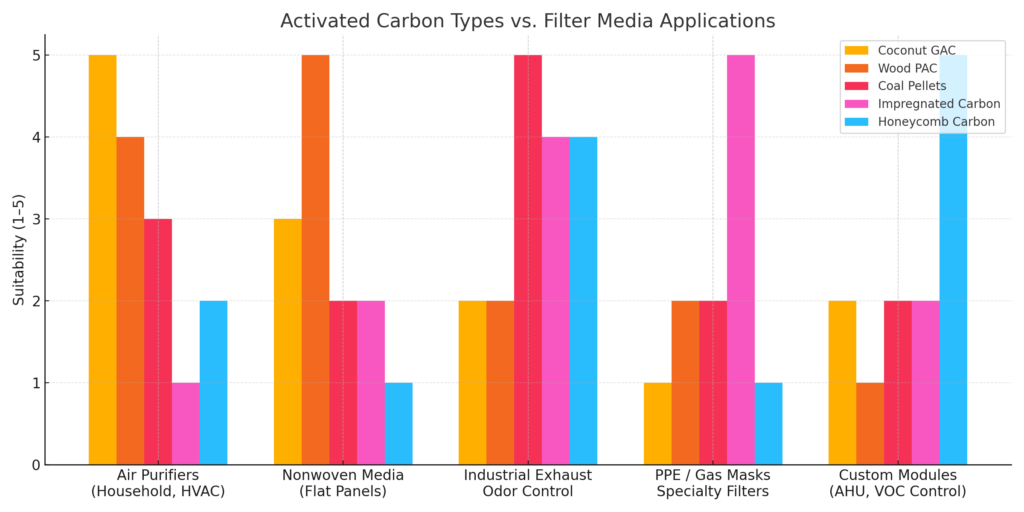
Discover which types of activated carbon are commonly used in commercial air and gas filtration. Learn how filter media performance depends on carbon pore structure, raw materials, and application needs.
Honeycomb Activated Carbon Filters: Understanding Pressure Drop for Optimal Performance
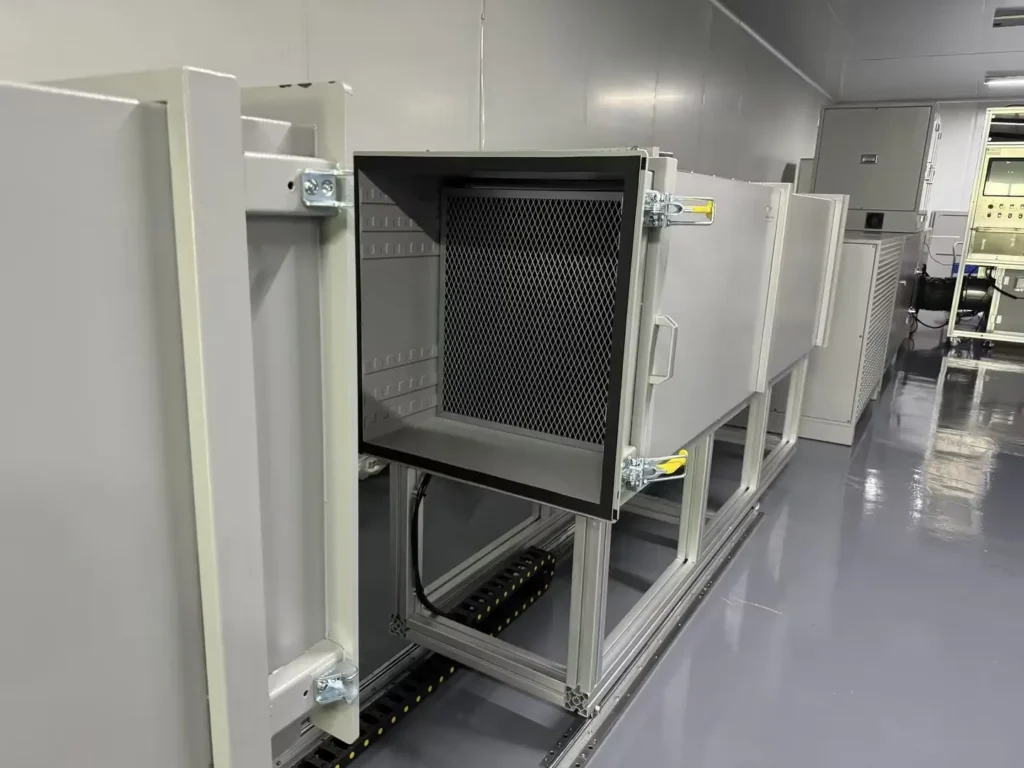
Explore the main causes of pressure drop in honeycomb activated carbon filters. Learn how cell size, thickness, carbon density, and airflow affect industrial filtration performance.
Understanding RCO, CO, and RTO: Choosing the Right VOC Abatement Technology

Introduction Volatile Organic Compounds (VOCs) are significant air pollutants emitted from various industrial processes, including chemical manufacturing, painting, and petrochemical refining. Controlling VOC emissions is critical not only for regulatory compliance but also for environmental sustainability and workplace safety. This blog explores three leading VOC abatement technologies—Regenerative Catalytic Oxidizer (RCO), Catalytic Oxidizer (CO), and Regenerative […]
How to Calculate Activated Carbon Fill Volume for VOCs Treatment: A Practical Guide for Industrial Clients

Learn how to calculate the correct activated carbon fill volume for VOCs treatment systems. Discover expert design tips, replacement cycles, troubleshooting, and cost analysis.
Selecting and Replacing Activated Carbon for Optimal Industrial Exhaust Gas Treatment
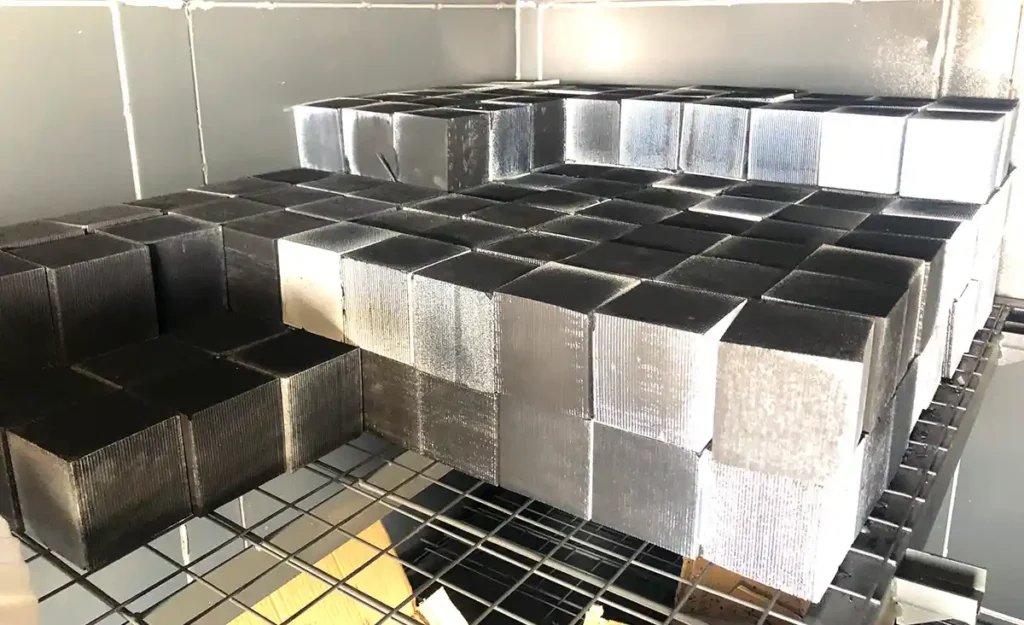
Activated carbon plays a vital role in industrial exhaust gas treatment by adsorbing VOCs and harmful pollutants. This article explains the two most commonly used types—honeycomb activated carbon and columnar activated carbon—highlighting their advantages and disadvantages. It also provides a practical guide on how to estimate replacement cycles based on VOC loads and discusses common pitfalls during carbon replacement. By following the outlined best practices, industries can improve gas purification efficiency, extend system life, and ensure compliance with environmental regulations.
How to Store Activated Carbon Safely for Peak Performance

This article explains the importance of proper activated carbon storage and outlines four critical precautions: keep it dry, avoid contamination, ensure fire safety, and protect against moisture. Improper storage can lead to reduced efficiency, spontaneous combustion, and increased operational costs. By understanding how to store activated carbon correctly, businesses can maintain product quality, reduce waste, and optimize performance in industrial applications such as water treatment, air purification, and gas filtration.
Why Two-stage VOCs Treatment is Essential for Effective Pollution Control
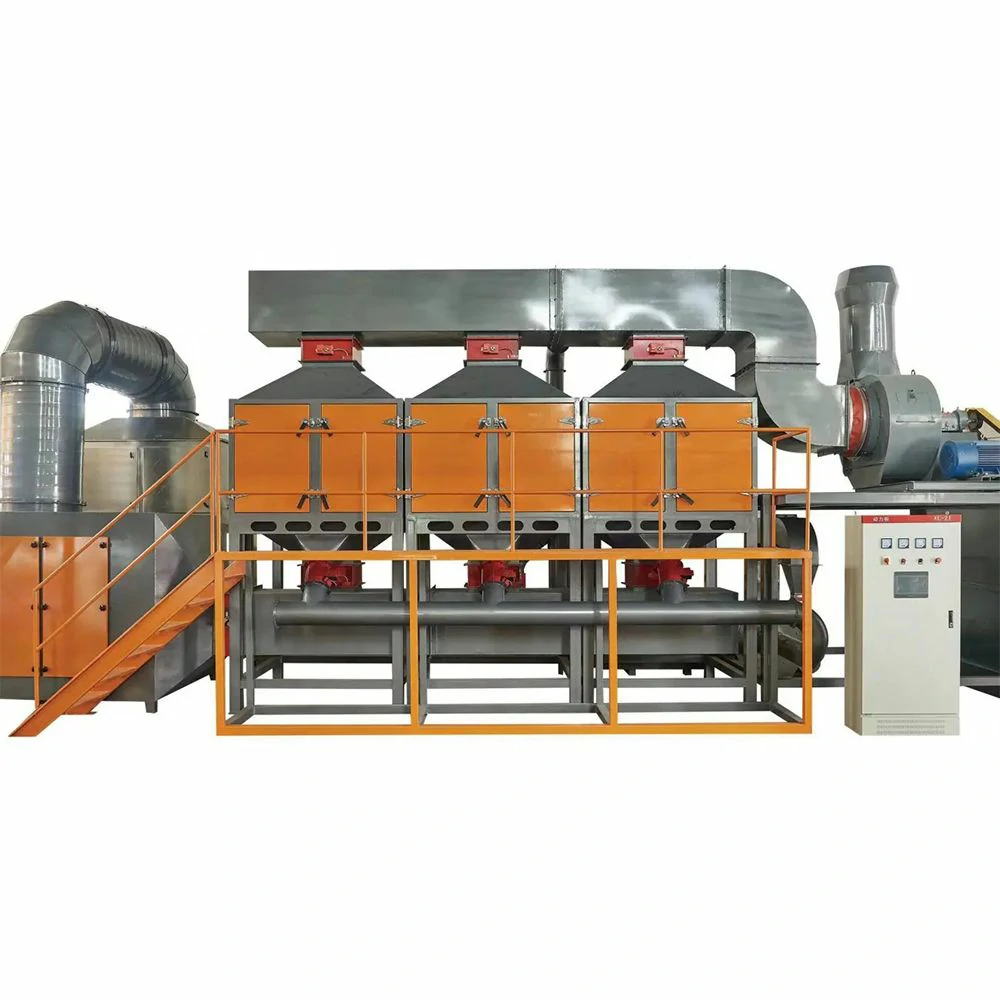
This article explores the critical need for two-stage or combined treatment processes for volatile organic compounds (VOCs), demonstrating the limitations of single-stage treatments. It highlights the numerous advantages and practical applications of dual-stage activated carbon adsorption as a highly effective two-stage treatment solution.