
Activated carbon is a normal, safe and effective adsorbent which widely used in many industries. It can adsorb most of unwanted impurities but not for all. Let’s know more in the below article.
Activated Carbon Adsorption
Activated carbon has developed pore structure, and based on Van der Waals Forces, these pores of activated carbon has adsorption forces to adsorb different impurities, and the adsorption performance is due to the polarity of them.
Van der Waals Forces & Polarity
- Van der Waals force is a distance-dependent interaction between atoms or molecules.
- Polarity is a separation of electric charge leading to a molecule or its chemical groups having an electric dipole moment, with a negatively charged end and a positively charged end.
- Relationship: Van der Waals forces consist of dispersion force, induced force, and orientation force. The greater the polarity, the stronger the attraction between the inherent dipoles of the molecule, it means that the greater the dispersion force, the greater the van der Waals force.
What Impurities Can Activated Carbon Adsorb?
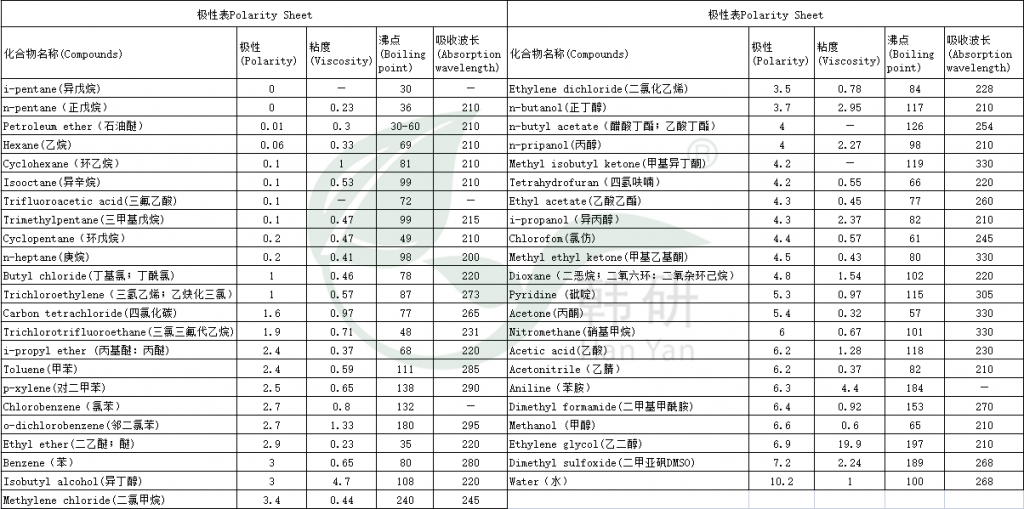
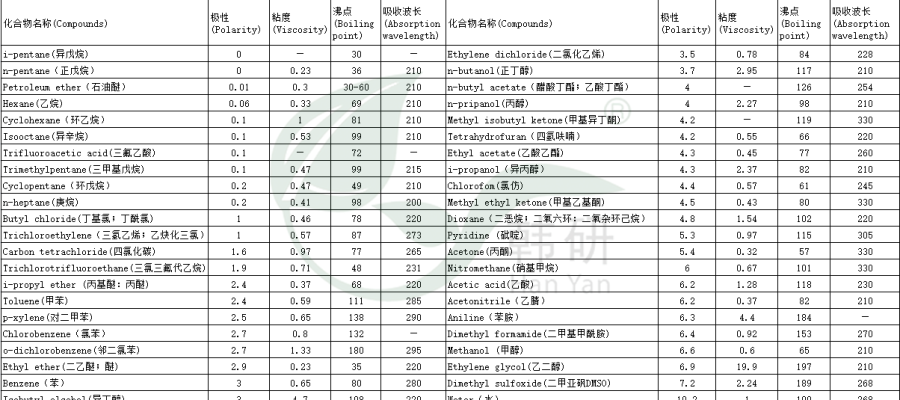
According to the conclusions drawn by our engineers through repeated experiments, activated carbon can efficiently adsorb substance with polarity under 4 by physical adsorption method. Regarding the one with polarity over 4, it is better to apply solvent recovery or condensation treatment.