
What Is CPSI and Why It Matters
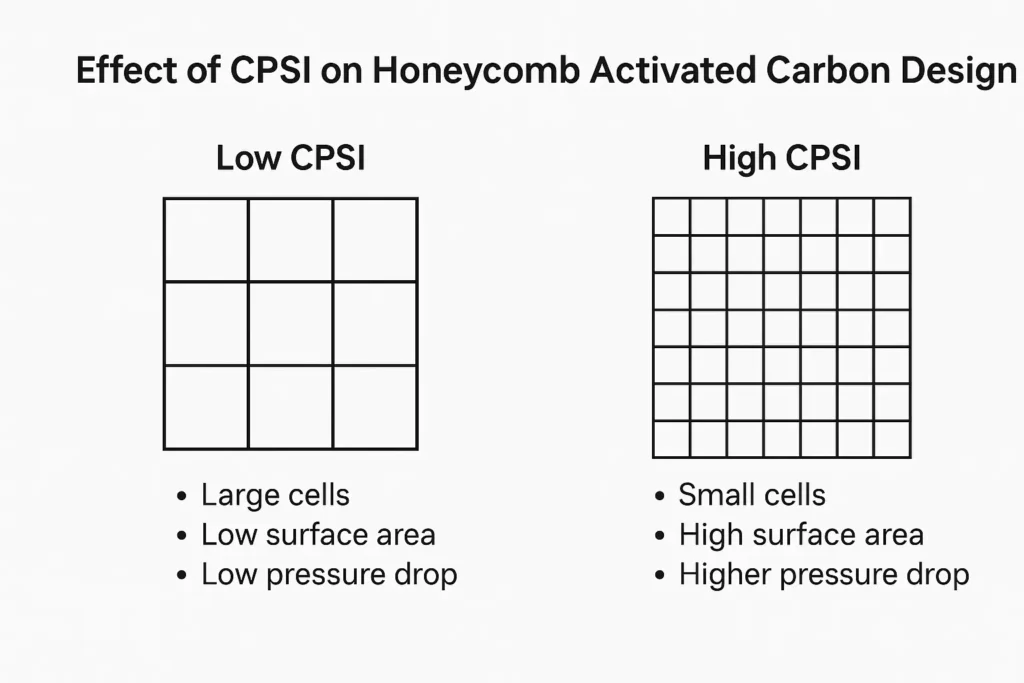
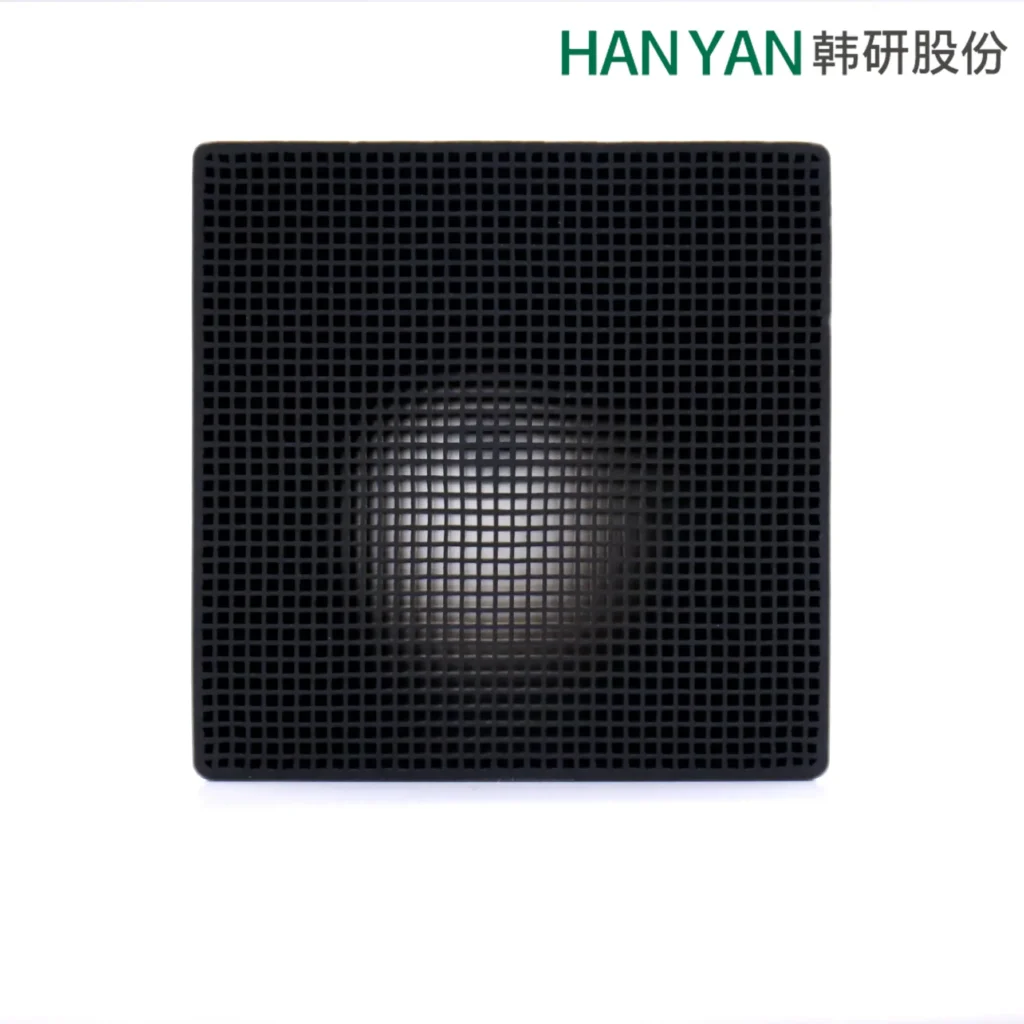
CPSI (Cells Per Square Inch) is a key structural parameter in honeycomb activated carbon. It determines the number of cells or channels per square inch of material, directly influencing how gases flow through the filter and how effectively contaminants are captured. Selecting the right CPSI is essential for optimizing both performance and cost-efficiency.
How CPSI Affects Honeycomb Activated Carbon Performance
1. Airflow Resistance
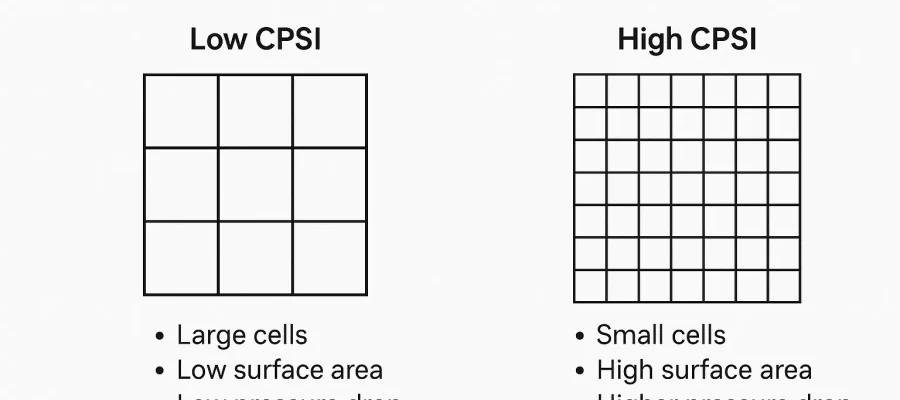
Lower CPSI values (e.g., 25–50) offer wider channels, resulting in lower pressure drop and smoother airflow. These are suitable for high-velocity systems. In contrast, higher CPSI values (e.g., 200–400) have narrower channels that increase flow resistance but also enhance contact time.
2. Adsorption Efficiency
Higher CPSI typically leads to greater surface area, improving adsorption efficiency in low-velocity or high-purity filtration systems. However, for high-flow applications, lower CPSI may achieve better overall performance due to minimized pressure drop.
3. Mechanical Strength
Honeycomb structures with lower CPSI have thicker walls, making them more durable and impact-resistant. High CPSI filters are more fragile and should be handled carefully in transportation and installation.
Typical CPSI Ranges and Applications
| CPSI | Characteristics | Typical Applications |
|---|---|---|
| 25–50 | Low resistance, large cell channels | HVAC systems, industrial exhaust treatment |
| 100–200 | Balanced efficiency and airflow | Commercial air purifiers, general VOC control |
| 300–400 | High surface area, tighter flow channels | Laboratory filtration, precision chemical processes |
How to Select the Right CPSI
- Airflow Requirements: Use low CPSI for high-velocity airflow to minimize pressure drop.
- Contaminant Type & Concentration: High CPSI works better for fine particles and trace gas removal.
- Installation Environment: In tight spaces, high CPSI allows more activated carbon in the same volume.
- Cost Consideration: Higher CPSI structures may increase tooling and production complexity.
HANYAN’s CPSI Capabilities
At HANYAN, we offer a wide range of CPSI options from 25 to 400, customizable according to your air treatment needs. Combined with proprietary activation techniques and precision molding, we help clients achieve optimal balance between performance and durability.
Article Keywords: CPSI, Cells Per Square Inch, Honeycomb Activated Carbon, Honeycomb Carbon Filter, Cell Density, Activated Carbon Design, Gas Adsorption, VOC Removal, Air Purification, Filter Performance, Surface Area, Pressure Drop, Custom Carbon Filters, Industrial Filtration, HVAC Filters